An art event under tension
Art Basel Paris opened on Tuesday, October 20, 2026, with an exclusive Avant‑Première for VIPs and collectors. However, as increasing protests in Paris were announced for the weekend, the organizers – including Director Karim Crippa and Artistic Director Vincenzo de Bellis – decided to close the fair on Friday, October 23 at 7 PM, and cancel the following two days to protect visitors, staff, and artworks.
This decision was communicated in emails to exhibitors, emphasizing the importance of safety and stating that it was not made lightly.
Faults in the art industry
The fair had previously recorded strong sales successes: On Tuesday and Wednesday, for example, David Zwirner achieved over 36 million US dollars in sales, including a Richter painting for 8.5 million US dollars. Galleries reported seven- and eight-figure sales, but the early closure was a hard blow for many: Smaller galleries in particular had paid high booth fees and relied on the weekend rush.
Some dealers had already begun packing works as a precaution long before the public announcement. The tension between safety and sales is clearly noticeable here – for established houses like Hauser & Wirth, the majority of business was already concluded, but for others like Miguel Abreu, the public weeks were crucial.
Security, insurance, risks
The fair reinforced security measures with anti-ram barriers, private security, and access control. Insurers like Cheryl Karim emphasize that while operating costs, booth rental, or transport can be covered by event insurance, lost sales and lost contacts—so-called opportunity costs—are not reimbursable.
The closure raises fundamental questions about risk distribution in the global art business: Who bears the burden when planned events falter? Art Dubai demonstrated an alternative model with flexible payment and rebooking options.
The environment of the protests
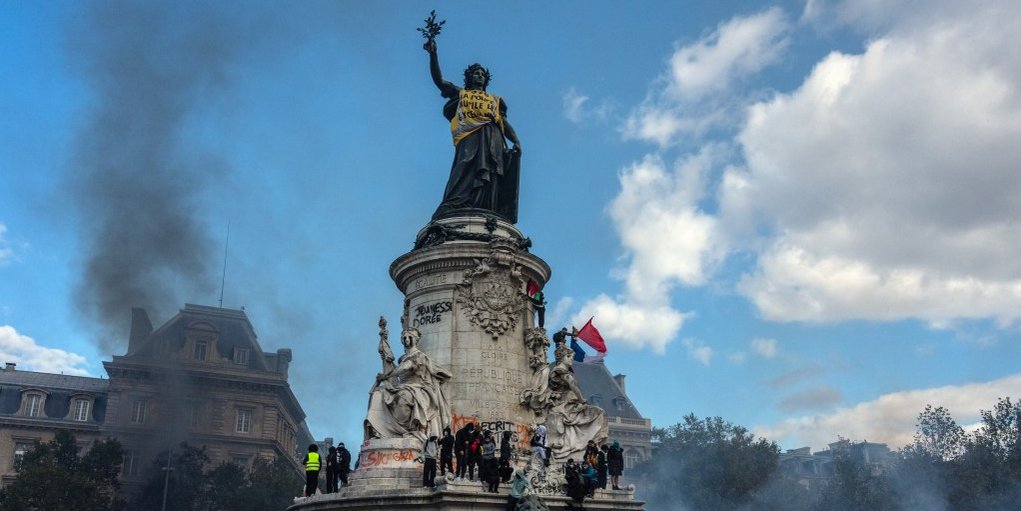
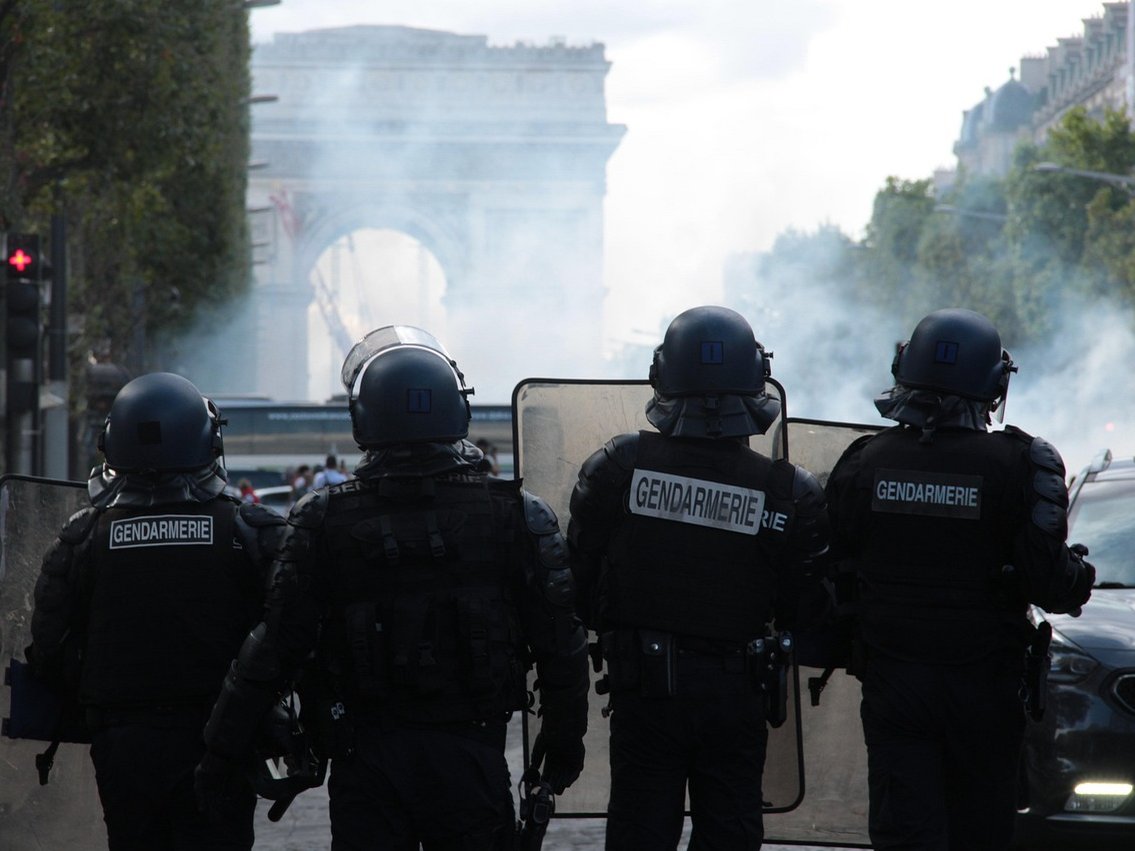
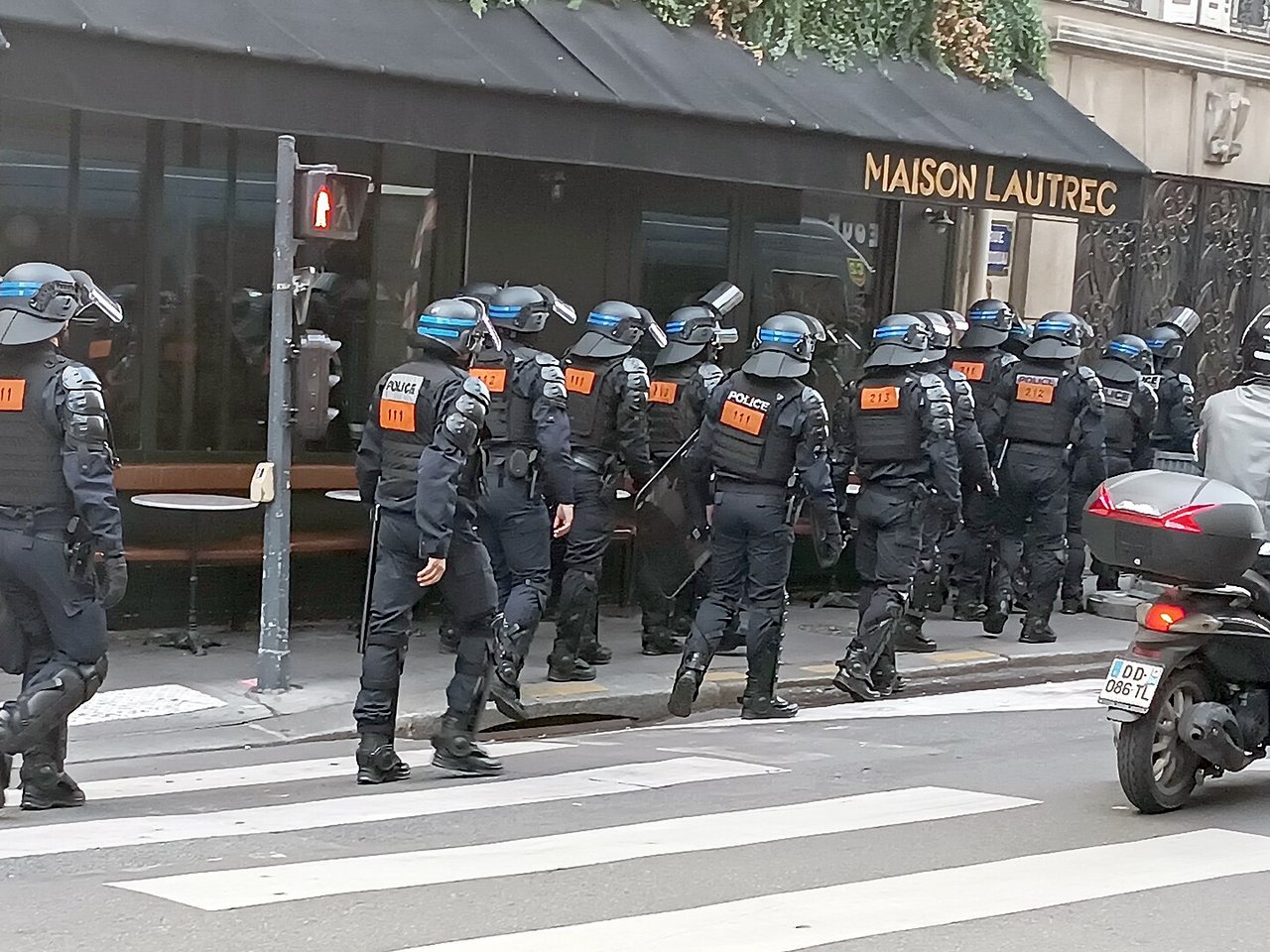
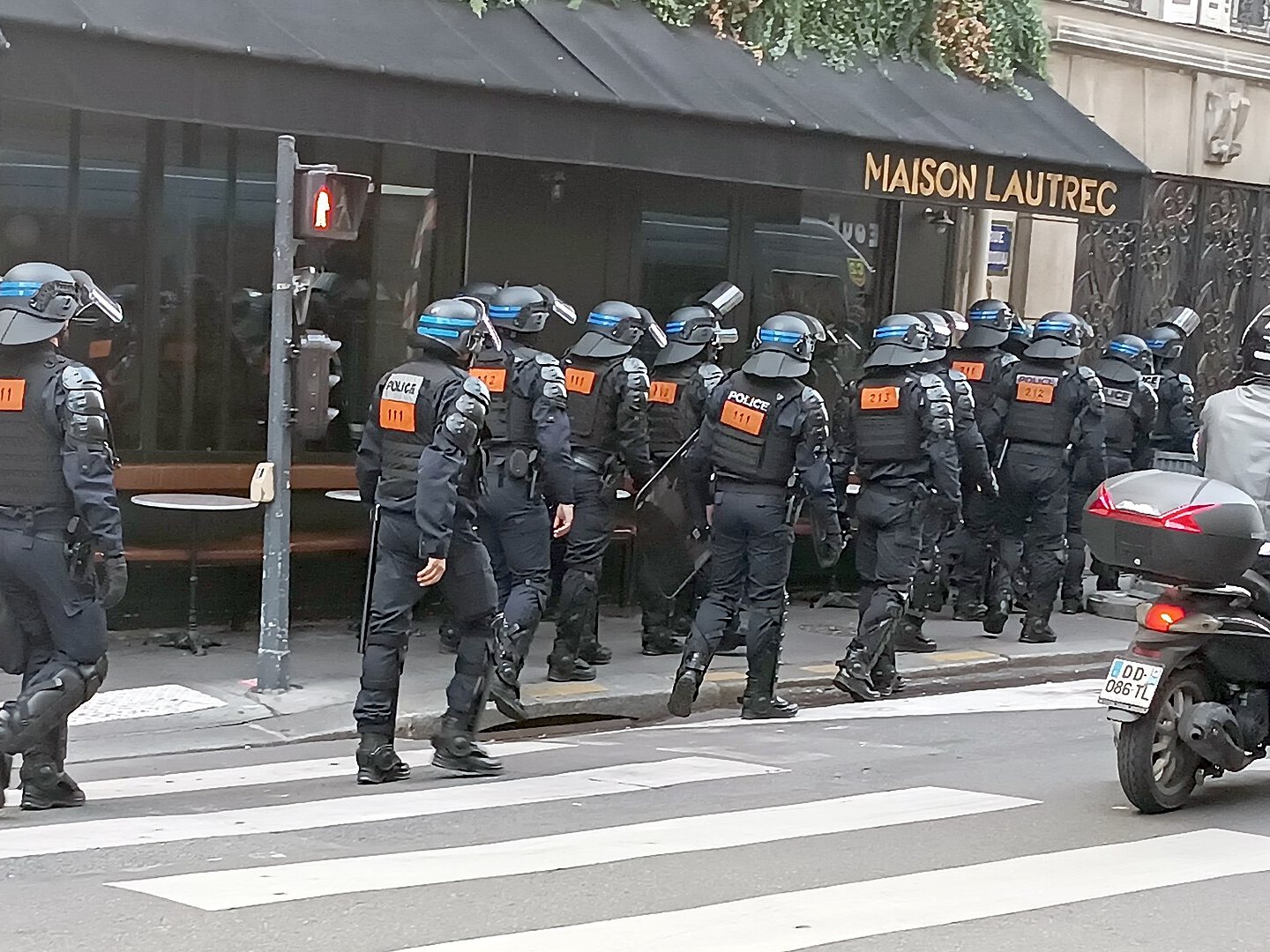
The trigger was the French student protests since mid-October, which arose over social issues such as education and living costs and culminated in unrest. On October 17 and 18, there were riots at Place de la République by demonstrators, with fire trucks and police operations spreading through the city center.
On the weekend of October 24/25, more than 110,000 people participated in Paris again, over 410,000 in total in France – the first day of protest was controlled and coordinated by right-wing groups and law enforcement. Museums such as the Louvre, Fondation Louis Vuitton, and the Grand Palais closed on Saturday, as did many galleries and satellite fairs in the Marais.
Lessons for the art market
Art Basel Paris has quickly developed into one of the most significant art events outside of Switzerland. However, the premature closure underscores the fragility of this rapidly growing calendar, which increasingly leads internationally operating actors into crisis contexts.
The scenario shows: The art market must increasingly respond to urban risks – protests, unrest, or natural disasters can abruptly halt global events. Strategies such as flexible payment models, risk-sharing with organizers, insurance innovations, and decentralized networking are gaining importance.
Paris will remain an important exhibition location in 2026 – but the experience of this week is likely to lead to a long-term reassessment: Growth was long the goal, now reality demands caution, adaptation, and resilience.
Summary
- Art Basel Paris 2026 closed early on Friday, October 23, due to massive protests.
- Strong sales figures in the first days could not offset the risks of unrest.
- Insurance covers operating costs, but not lost sales or network effects.
- The art political environment in Paris was characterized by student protests and curfews.
- The art market faces the challenge of better adapting to urban instability.