A new orientation
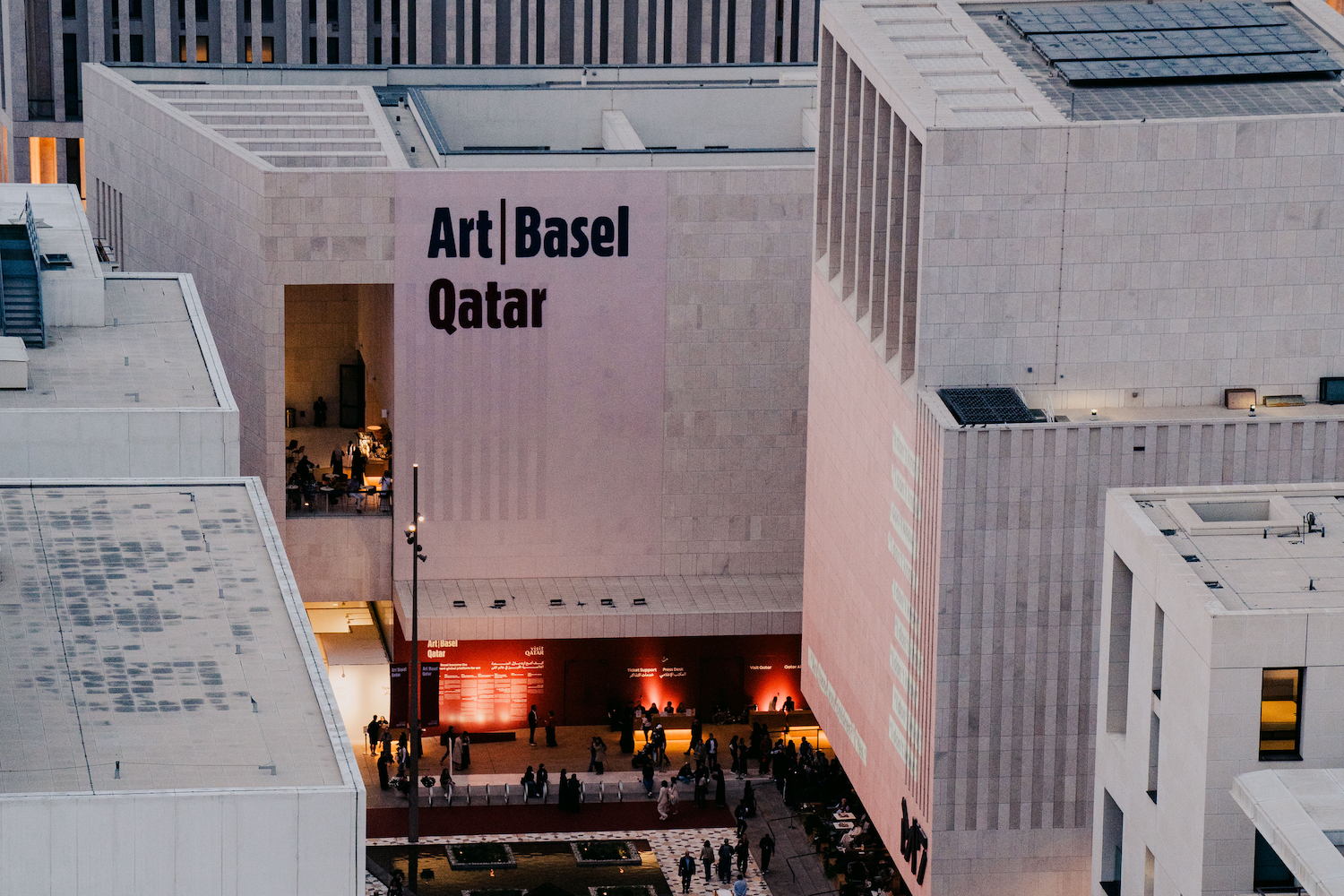
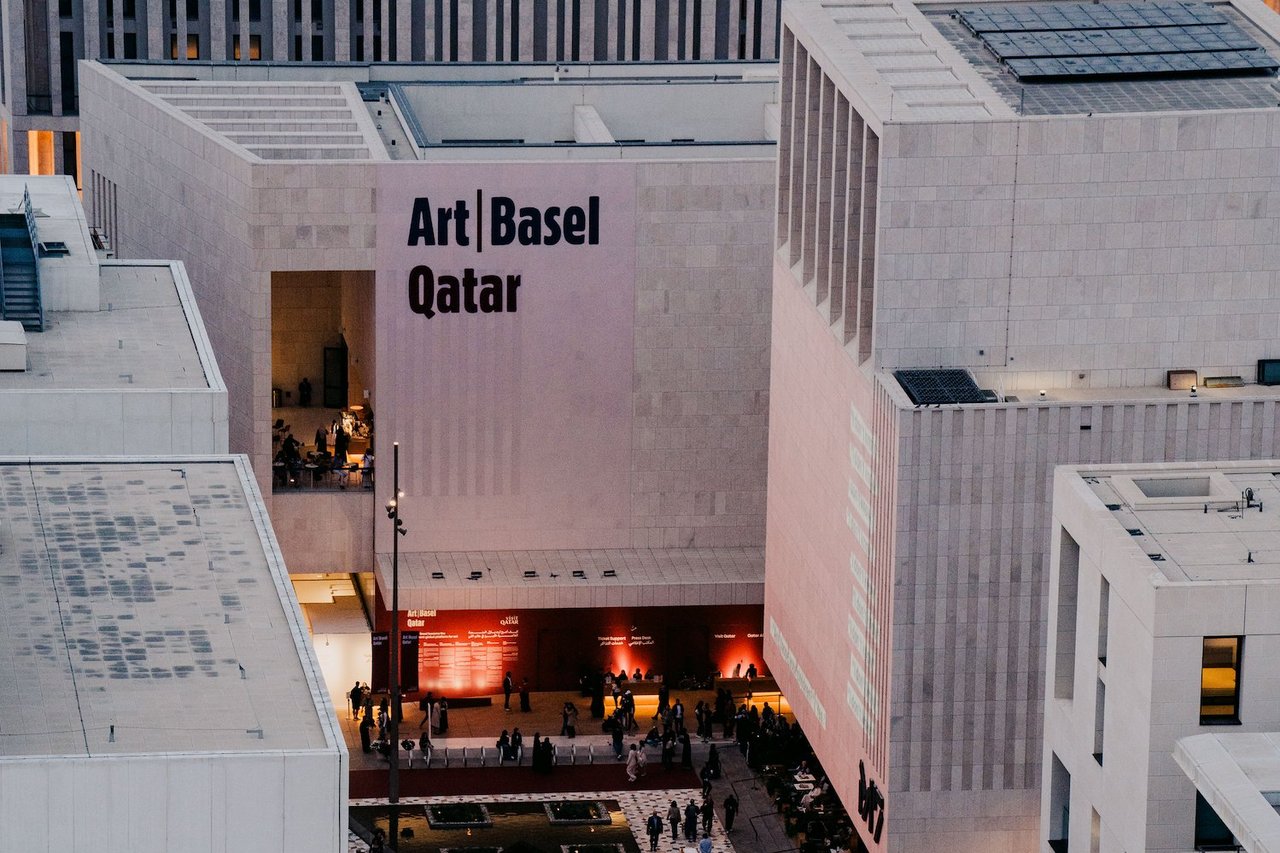
The second edition of Art Basel Qatar will take place from January 28 to 30, 2027, with preview days on January 26 and 27. Instead of traditional booths, there will once again be exclusively solo presentations, curated under the theme "between / بين" by artistic director Wassan Al-Khudhairi. The exhibition spans the location M7 and the Doha Design District, as well as selected public places in Msheireb Downtown Doha.
Galleries, artists and participation
Presented are around 80 solo shows by 82 galleries from about 37 countries. Almost half of the artists shown are from the MENASA region (Middle East, North Africa, South Asia), and more than a third of the galleries are regionally anchored.
Participating regional galleries include Athr (Jeddah/Riyadh), Green Art Gallery (Dubai), Gypsum Gallery (Cairo), Tabari Artspace (Dubai), Contemporary Art Platform (Kuwait City), Hafez Gallery (Jeddah/Riyadh), al markhiya gallery (Doha) as well as Le LAB Gallery (Giza), Efie Gallery (Dubai), Alhosh Gallery (Doha), Iyad Qanazea (Abu Dhabi) and Dastan Gallery (Tehran/Toronto). International heavyweights like Gagosian, David Zwirner, Lisson, White Cube, Sadie Coles HQ, and many others are also represented.
For the first time, galleries like Pilar Corrias (London), Gallery Wendi Norris (San Francisco), or Hanart TZ (Hong Kong) are participating.
Collector support: Collectors Majlis
Art Basel Qatar introduces the Collectors Majlis – a year-round market development program starting in October 2026. It is aimed at 30 to 40 invitees, such as new or art-affine collectors, and includes masterclasses, workshops, salon-like encounters, cultural events, and collection visits before, during, and after the fair.
Participants include personalities like Sheikha Mayassa bint Hamad bin Khalifa Al Thani (Qatar Museums), Carly Murphy (Art Basel), Noah Horowitz (CEO Art Basel), Vincenzo de Bellis, Wassan Al-Khudhairi, and regional experts. Additionally, international collector events are planned in countries such as Saudi Arabia, the United Arab Emirates, India, and Greece.
Financial support for galleries
Unlike other Art Basel locations, the fair provides extensive support services for exhibitors – including customs formalities, transport, storage, setup, hotel for up to two employees, and travel expenses for artists. Additionally, 50 percent of the return shipping costs for unsellable works up to 20,000 USD per gallery are covered. This support is provided by partners such as Qatar Sports Investments (QSI), QC+ (commercial arm of Qatar Museums), and Visit Qatar.
Strategic Alignment and Backgrounds
Art Basel positions the Doha edition as a long-term commitment in the MENASA region – with the aim of strengthening regional art production, institutional networks, and collector markets.
The format follows a well-thought-out concept that aims to promote international exchange and establish the region as an active force in the global art scene.
Risks and Challenges
Despite government support, political risks in the region remain relevant – especially against the backdrop of the Iran conflict. These weigh on potential buyer groups outside of government institutions or ruling families. The question of whether private collector generations in the MENASA region will sustainably participate remains open – particularly in view of costs, uncertainties, and political fragilities.
Complex framework conditions
- Regional instability complicates economic planning for galleries
- Infrastructure and logistics support alleviates burdens but does not replace collector demand
- The long-term development work – both institutionally and market-wise – requires patience and trust in the regional art market
Look into the Future
Art Basel Qatar conveys more than just a fair: A cultural catalyst that connects solo shows with market development and networks regional players internationally. The decision to promote and focus on the region underscores the intention to act beyond a mere event. Success will depend on whether a vibrant, independent collector's market emerges and long-term academic or institutional engagements follow.
The coming years, accompanied by programs like the Collectors Majlis, will demonstrate how sustainably the initiative can establish itself in the MENASA art market.