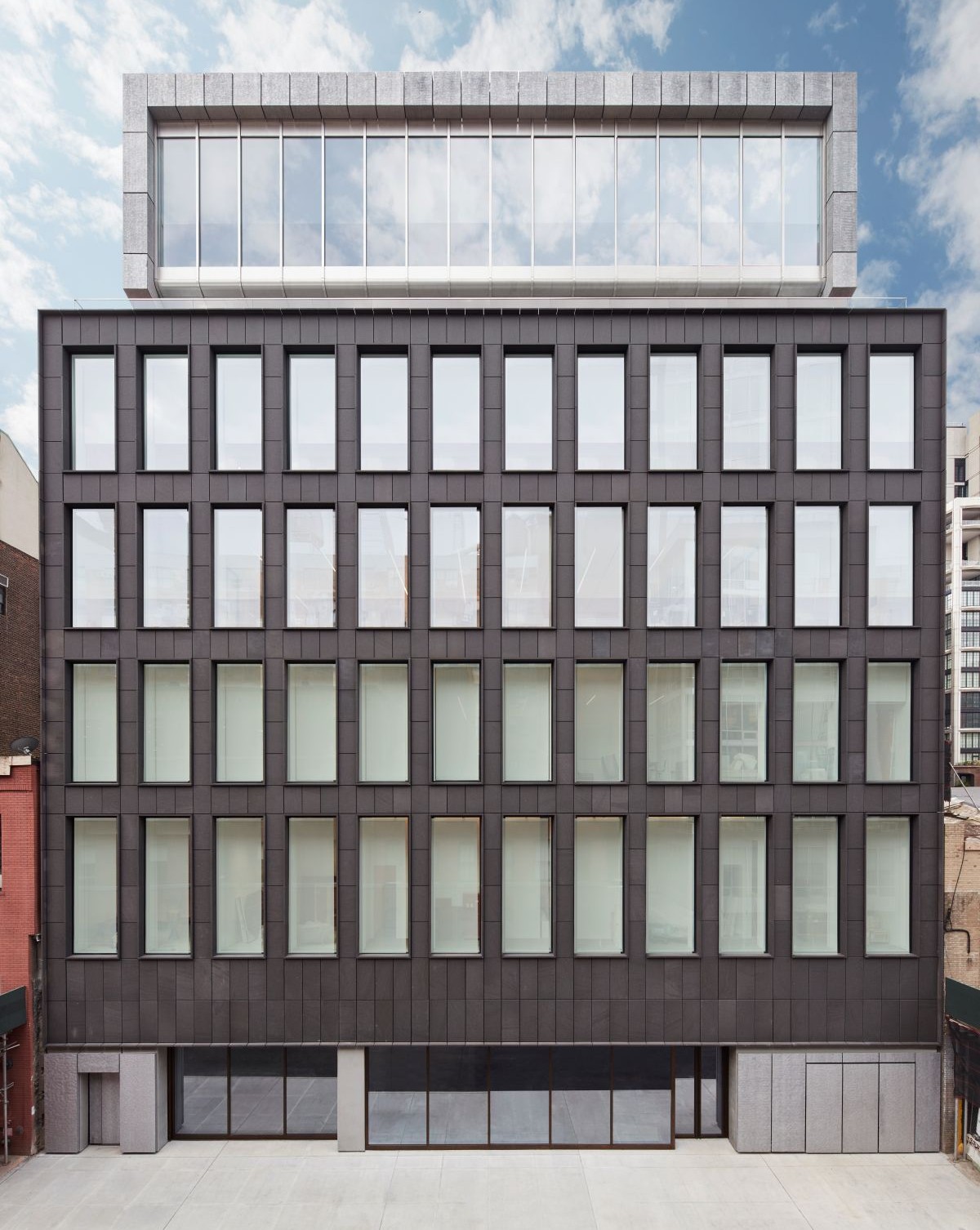
In the digital and economic transformation, the gallery in the traditional sense is experiencing a phase of re-evaluation. The classic exhibition space, long synonymous with art mediation and encounter, is under scrutiny in many cities – affecting both renowned institutions and intimate, local venues. However, instead of a dance of death, new models are emerging that show: art needs spaces, but it can conceive them differently.
1. Fewer spaces, new reasons
Large galleries like Gagosian are currently saying goodbye to expensive secondary locations in Basel and London – a strategic consolidation, not a withdrawal from the markets overall. Instead, the focus is on flexibility and cost efficiency.
In Vienna, several galleries such as Eva Presenhuber, Exile, Zeller van Almsick, and Emanuel Layr are closing their spaces. The reasons range from economic pressure and changing collector behavior to cultural shifts – adaptation is the program here, not failure.
Less noticeable but exemplary, smaller spaces are also affected: The queer gallery nüüd.berlin in Berlin-Mitte closed its permanent location on October 31, 2026, after five years – as a conscious end of a chapter and with an eye on new paths.
Reasons at a glance
- Explosion of costs in rent, operation, and compliance
- Decline of cheap capital and changing collector interest
- Cultural shift: Glamour and exclusivity become less attractive
- Operational realignment and strategic consolidation of locations
2. Stability Despite Crisis: The Galleries as Cultural Anchors
Contrary to the impression of a widespread retreat, figures from Germany show a robust picture: In 2024, professional galleries organized over 4,000 exhibitions on more than 120,000 m², with an average of six exhibitions per gallery and a median of 123 m² of exhibition space. Physical spaces remain a central pillar – complemented by digital and mobile formats.
Additionally, about 25% of the galleries now operate more than one location – temporary, curated, or international. The classic, analog gallery format is embedded in hybrid structures but remains indispensable.
3. Professionalization and succession as a guarantee for the future
A nationwide study (Galerienstudie 2025) emphasizes the need for structural professionalization: clear standards, digitalization, written contracts, collaborations – key to sustainable existence. At the same time, a massive generational change is emerging: 29% of galleries plan a handover in the next five years, but only a fraction have a concrete succession solution.
A remarkable Berlin example is the offer of Galerie Creative Game as a complete package: premises, program structure, network – everything is to be transferred to new hands to maintain a cultural location.
4. Between Retreat and Hybridity – New Models Emerge
Out of necessity, creative responses emerge. Some gallery businesses rely on hybrid models: digital tours, social media strategies, and online sales complement the physical space. This combination creates reach and efficiency.
Others are transforming: Emanuel Layr, for example, plans to convert his space in Vienna into an invitation-only salon – analog, but more selective, intensive, and less focused on large audiences.
The art venue Creative Game offers a structured handover, thereby securing not only the spaces but also their cultural identity.
5. Spaces remain essential – just differently manageable
Galleries remain places of discovery and encounter – even if their form changes. The physical presence, the experience, the contact still hold central importance.
At the same time, economic pressure demands change: fewer square meters, more professionalism, hybrid concepts, targeted succession planning. The future belongs to those who respond creatively to change.
Conclusion
The gallery space is not an outdated model – rather a field of transformation. Especially in times of impending crises, it becomes evident how vibrant the art life remains: It adapts, reconnects, and dares to try new things. Exhibition spaces are shrinking? Yes – but into lively niches that continue to shine.