In the permanent exhibition Art in Berlin 1880–1980, the Berlinische Galerie tells the story of the city through around 250 works from painting, graphics, sculpture, photography, architecture, and artist archives. On more than 1000 square meters on the first floor, a chronological journey through Berlin art unfolds. Since April 2025, the collection has been presented in a new arrangement, more diverse and accessible than before.
Historical Overview and Structure of the Exhibition
The tour takes you through a century in 17 chapters: from the German Empire through the Weimar Republic and the National Socialist dictatorship to the new beginning after 1945, to the Cold War in the divided city and to the alternative scenes of the 1970s. This reveals how artists responded to the political and social upheavals of their time, from the Berlin Secession through Dada and New Objectivity to painting and photography in the shadow of the Wall.
Discoveries and Rediscoveries
For the anniversary, the museum is adding works to the exhibition that have not been seen for a long time or rarely. They were selected, among other things, from the first hundred artworks that came into the collection. The new sections often place two positions side by side:
- Marie Panckow: “Belvedere on the Klausberg, Potsdam” (1870–1875)
- Jeanne Mammen and Julie Wolfthorn: including Mammen's “The Sister in the Studio” (circa 1913) and Wolfthorn's “Flute Player” (circa 1900)
- Major construction projects of the Nazi era
- “Comrade Architect, Colleague Architect”: Female architects in East and West
- Cornelia Schleime and Gülden Artun: Schleime's “Girl's Head” (1985) and Artun's “King” (1983)
- Helga Paris and Michael Schmidt: Photography from East and West Berlin, such as Paris' “Berlin Youth” (1982) and Schmidt's series “Berlin-Wedding” (1976/77)
Hannah Höch – A Tribute
A highlight of the new setup is the room "Hannah Höch – A Tribute". For its 50th anniversary, the Berlinische Galerie dedicates a room to the Dada artist with major works from the 1910s and 1920s, including "Roma" (1925) and "The Bride (Pandora)" (1924/1927). The museum now holds the world's largest collection of works by Hannah Höch.
New as well is that the exhibition tells how and why works have been added to the collection. Some chapters have been completely redesigned.
Guests from the City Museum: three times Nollendorfplatz
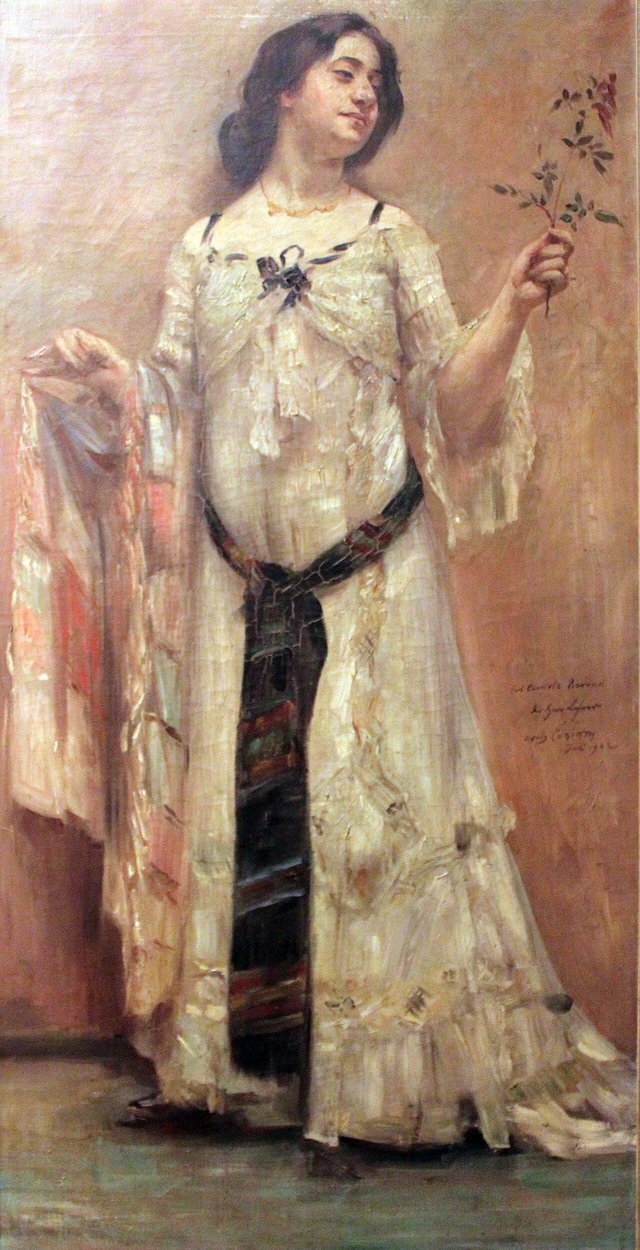
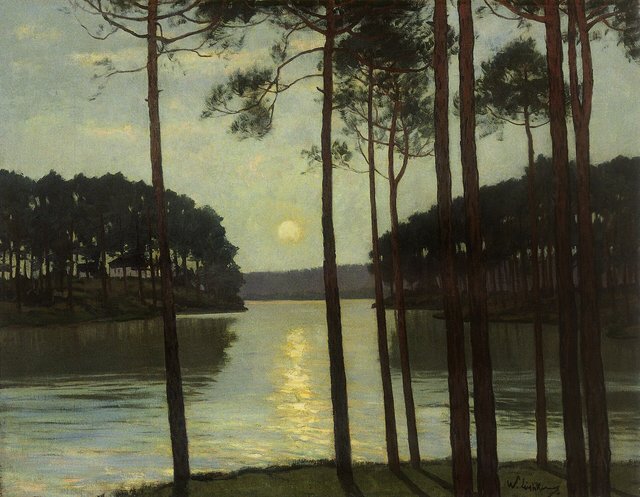
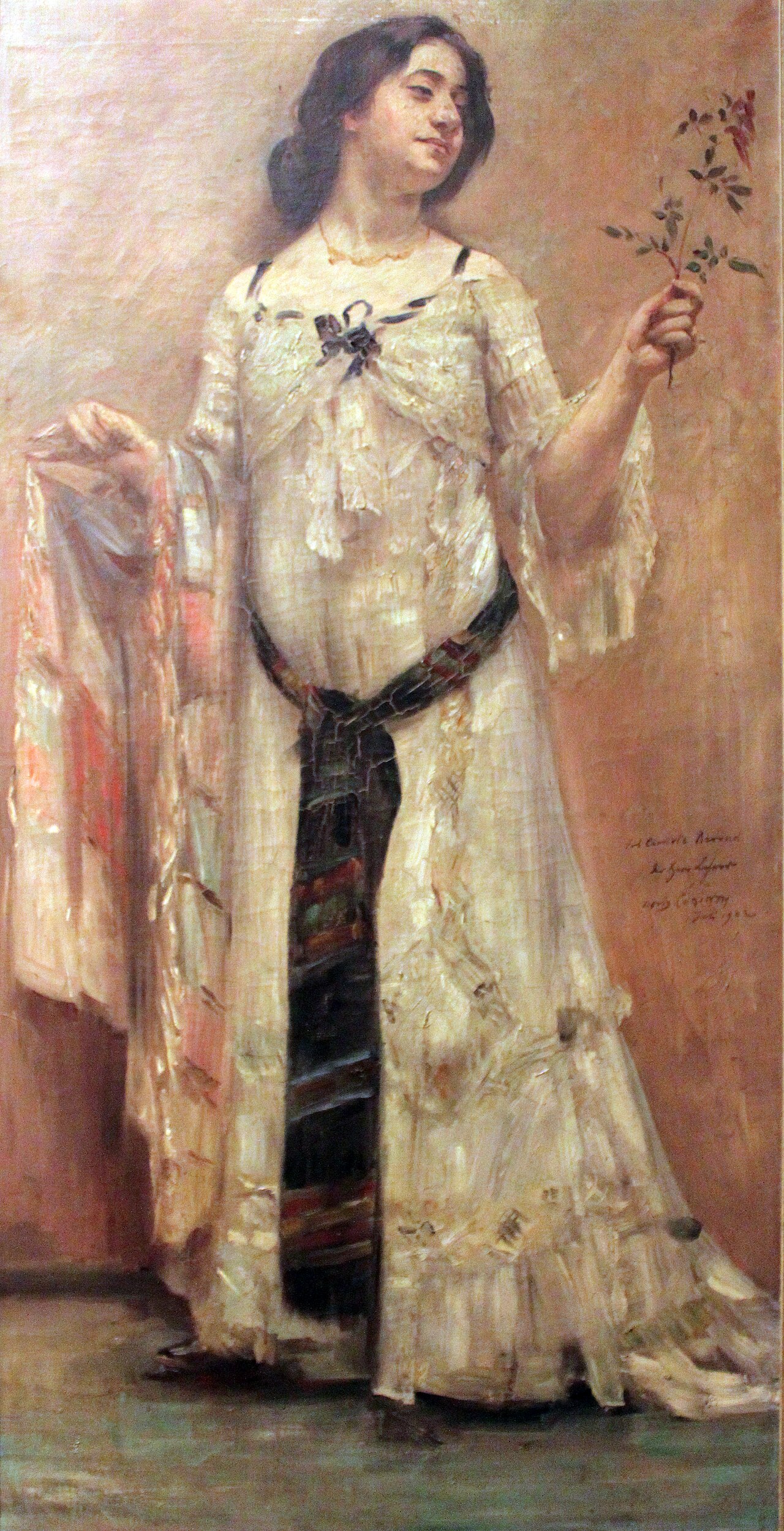
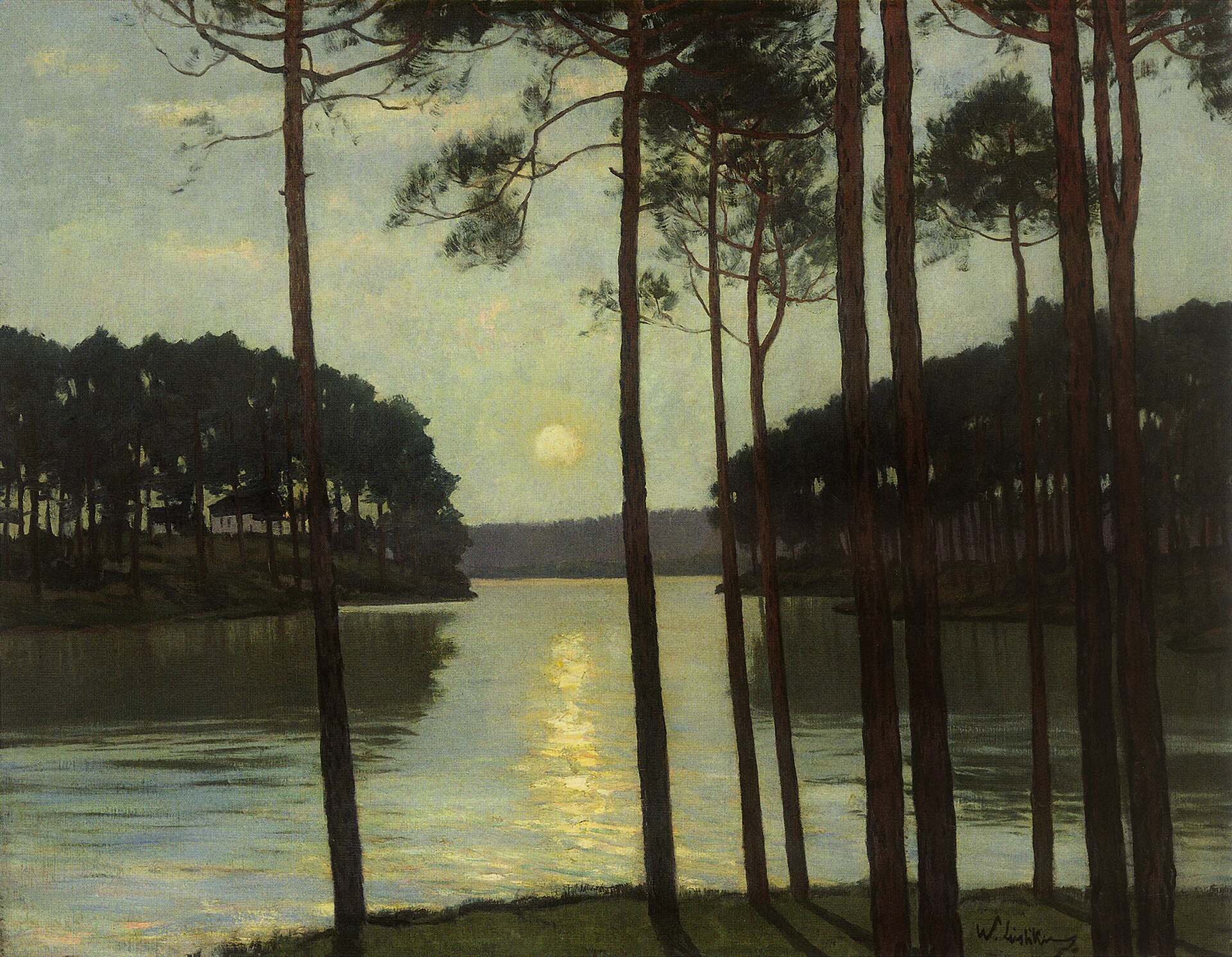
In October 2022, twelve highlights from the painting collection of the Stadtmuseum Berlin came as loans to the permanent exhibition. They highlight the early modern period: Lovis Corinth is represented with several portraits, including "Charlotte Berend in a White Dress" (1902) and "Walter Leistikow" (1893), along with Walter Leistikow's "Evening Mood at Schlachtensee" (around 1895), Theo von Brockhusen's "Wind on the Havel, Geltow" (around 1914), and Max Beckmann's "Self-Portrait (Laughing)" (1910).
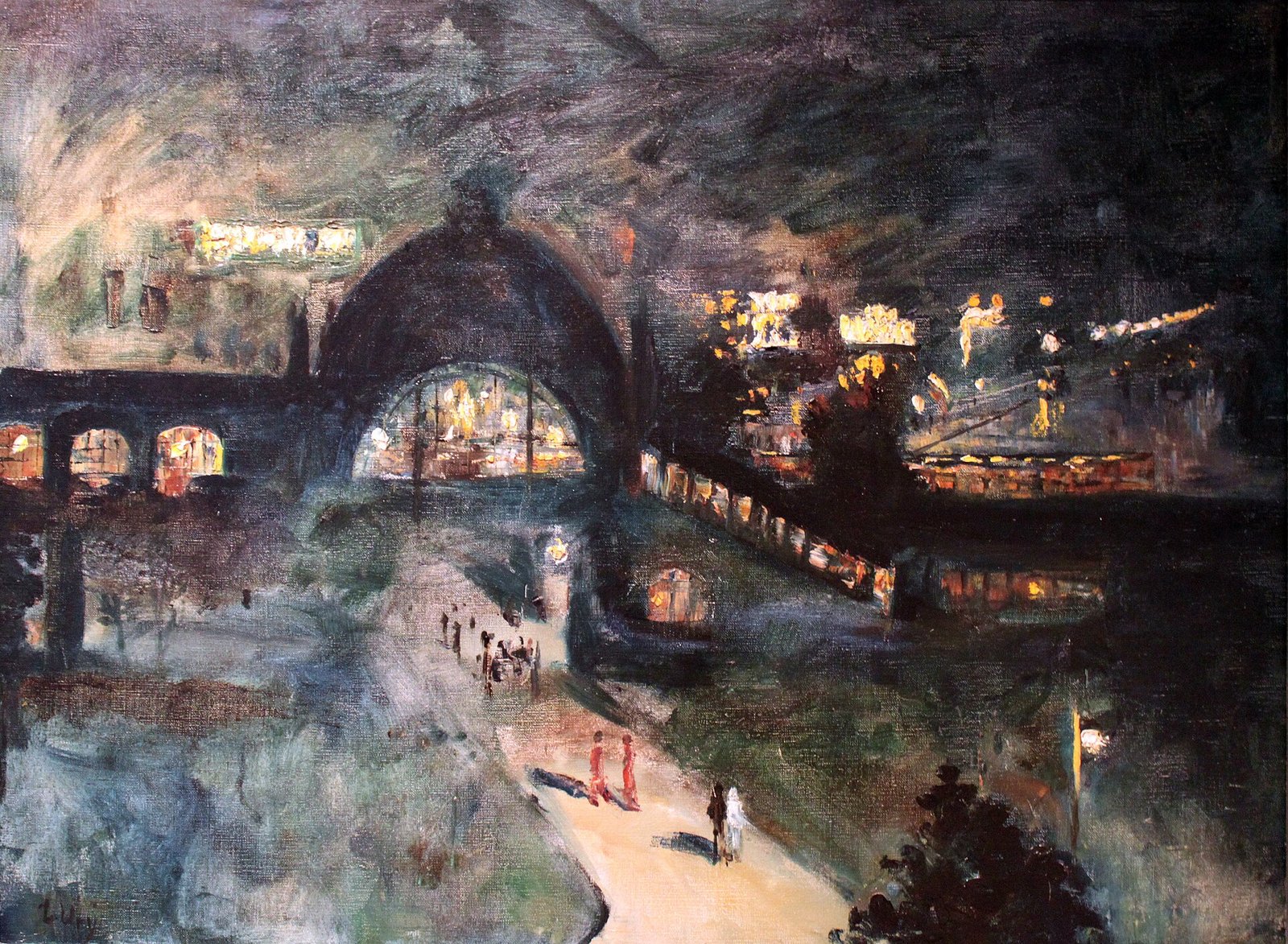
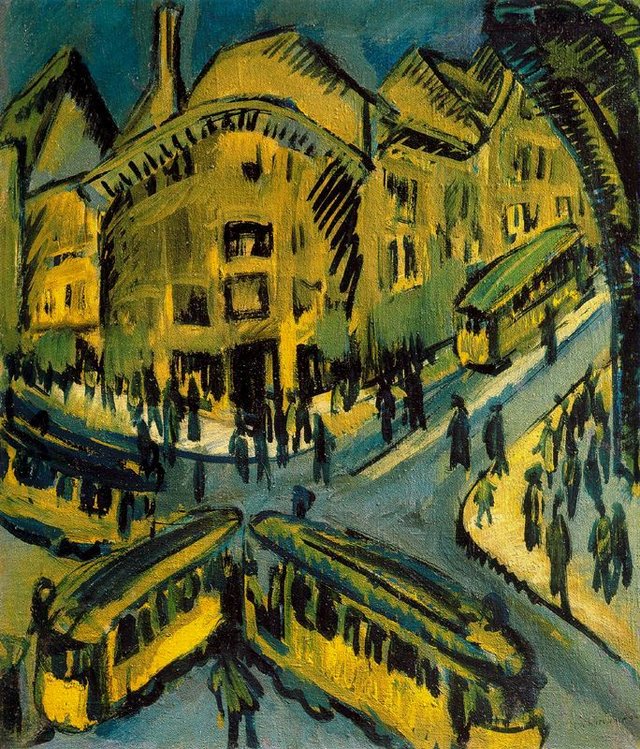
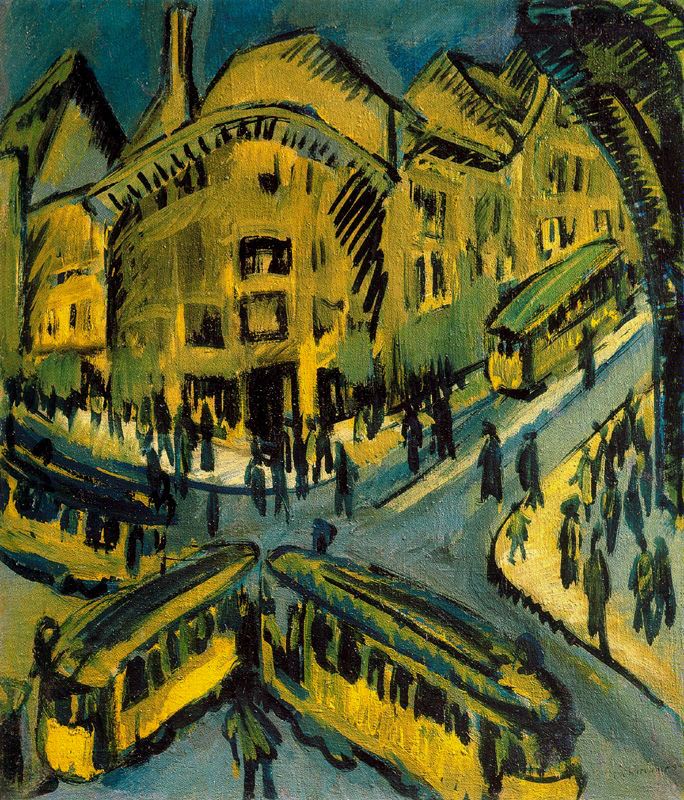
One motif appears three times: Nollendorfplatz in Schöneberg. Max Beckmann painted it in 1911, Ernst Ludwig Kirchner in 1912 with his diagonally tilted trams, Lesser Ury the elevated railway station at night in 1925. Three views of the same place, showing how the metropolis has changed painting.
Inclusive Mediation: Accessibility and Access
The exhibition is designed for comprehensive accessibility: It is accessible without steps and by elevator, only the Prounenraum has a threshold. Wheelchairs and folding stools are available free of charge at the cloakroom. The display cases are 78 centimeters high and accessible underneath, all exhibition texts are available as brochures in large print.
For blind and visually impaired people, a tactile floor guidance system leads through the exhibition. Seven major works can be experienced as tactile models made of felt, textile, and wood, a free media guide describes 17 artworks, also on your own smartphone. The texts are available in German and English; Simple language and German Sign Language are not provided in the exhibition itself, but the museum offers tours in sign language and educational offers in simple language. In April 2026, the house was tested for accessibility by "Reisen für Alle".
Context and significance for the Berlin art scene
The Berlinische Galerie was founded in 1975 as an association and has been a museum of the state of Berlin since 1994. It collects art, photography, architecture, and artist archives in an interdisciplinary manner, and the permanent exhibition reflects this approach. Since 2004, the museum has been located in Kreuzberg, in a converted former glass warehouse from the 1960s.
With the new setup in 2025 and the loans from the Stadtmuseum, new perspectives on Berlin's art history are created: Local developments are connected with international modernity, and female artists who have long been in the shadows are brought to the forefront.
Berlinische Galerie
Art in Berlin 1880–1980
Permanent Exhibition
Berlinische Galerie
Museum of Modern Art
Alte Jakobstraße 124–128
10969 Berlin-Kreuzberg
Wednesday to Monday 10 AM–6 PM, closed on Tuesdays
Admission 14 €, reduced 7 €, free up to 18 years