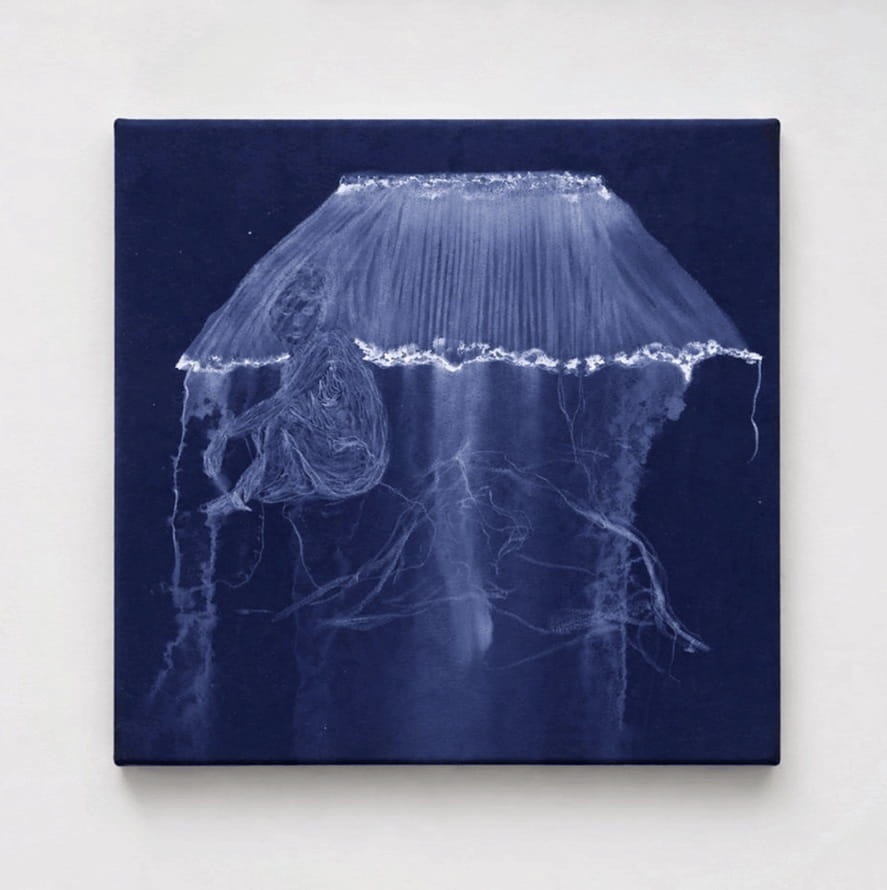
A new space for existing questions
In September 2026, Galerie Nordenhake opened its more spacious location at Goethestraße 2–3 in the Berlin district of Charlottenburg – a 19th-century post office building that previously belonged to Galerie Max Hetzler. The opening coincided with the Berlin Art Week and was celebrated with the group exhibition "SYMPTOMS," which also served as the inaugural project.
The exhibition marks the conclusion of the gallery's fiftieth anniversary year, which operates in Stockholm, Berlin, and Mexico City. SYMPTOMS is thus both a celebration and a program launch in the new setting.
What is a symptom in this context?
In the exhibition concept, a symptom is understood as a trace – not as an image, but as a visible hint of a hidden condition. Artworks function as an echo of what cannot be directly shown, making the ungraspable visible.
Artistic Testimonies of Discomfort
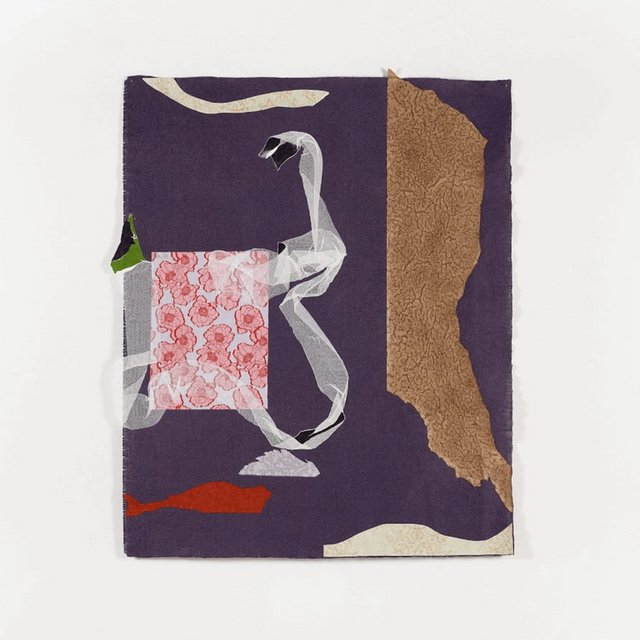
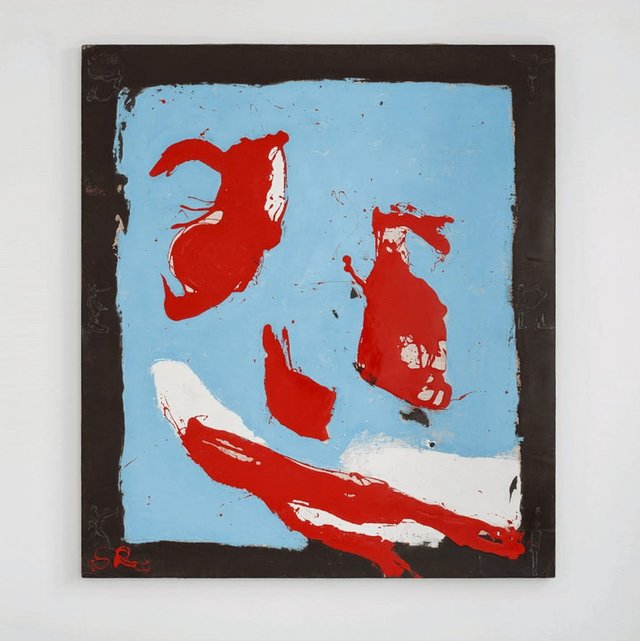
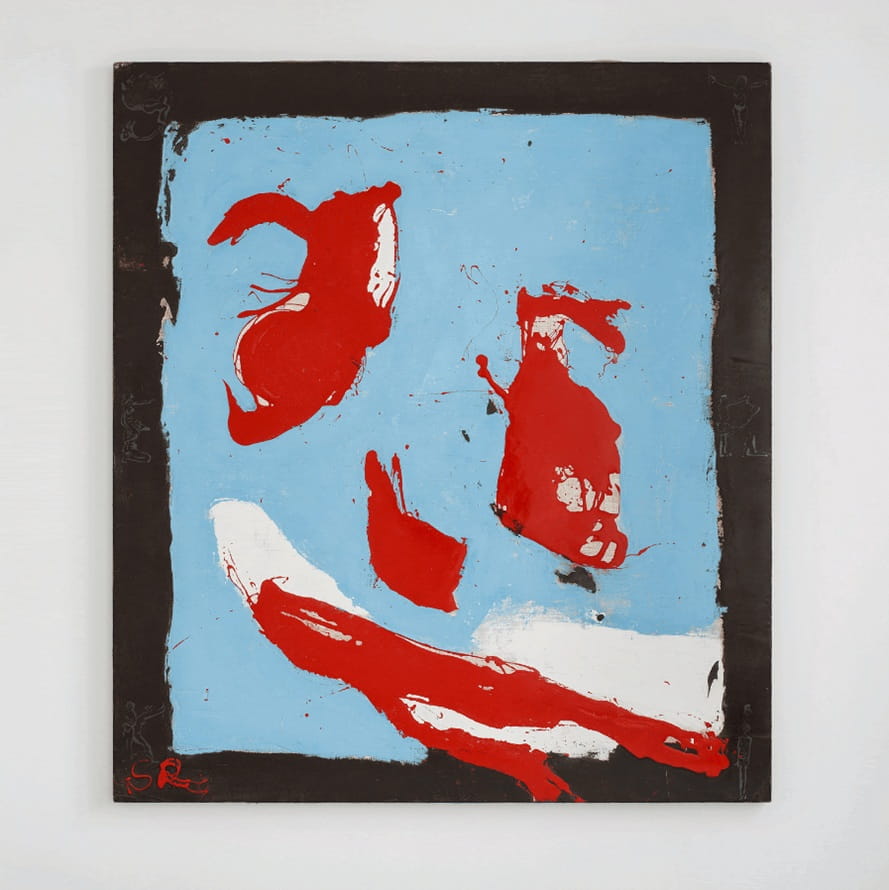
The exhibition brings together artists from different generations and media such as painting, sculpture, photography, and collage: Mirosław Bałka, Ann Edholm, Ayan Farah, Valentina Kozinets, Alex Müller, Francis Offman, Naufus Ramírez‑Figueroa, and Not Vital complement the spectrum. Together, they depict states of the uncanny, concealment, and deformation.
Benjamin Orlow and the Ritual of Deformation
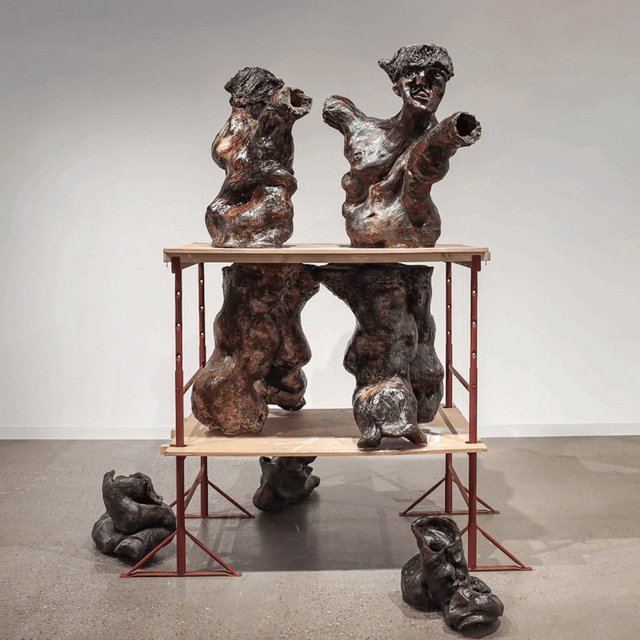
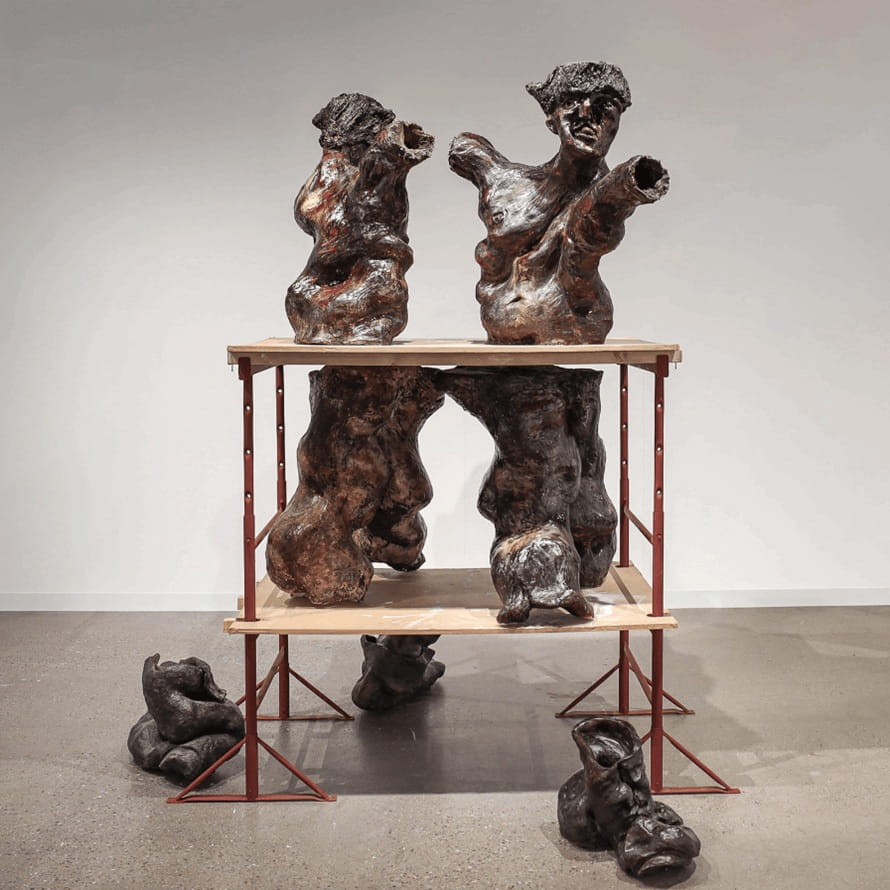
The spatially and thematically dominant work "Ritual City" (2026) by Benjamin Orlow is a sculptural construction made of plaster, ceramics, and wood. Fragmented figures intertwine with scaffolding structures, driving a process of deformation and transformation, whose beginning and end remain unclear.
Edvard Munch's Double Threat
In the lithograph "Vampyr II" (1895) – a new version of the 1893 version, once shown in Berlin under the title "Liebe und Schmerz" – physical closeness becomes the expression of a creeping calamity: Two bodies merge, the contours dissolve, the closeness appears threatening, only revealed by the title.
Fragment and Age as Expression of Existential Trace
George Grosz portrays in an early drawing the grief of an aging man next to an empty bowl, a reduced but haunting imagery of loss. John Coplans fragments his own body in close-ups, in which age, vulnerability, and lived experience become visible.
Spaces of Memory at Andersson and Schmidt
Mamma Andersson transforms interiors and landscapes into psychological spaces full of eeriness through subtle shifts in light, color, and composition. Michael Schmidt, on the other hand, shows in the series "Waffenruhe" how urban architecture manifests history, memory, and political division as voids.
Materiality and Resistance in Reinhold and Orupabo
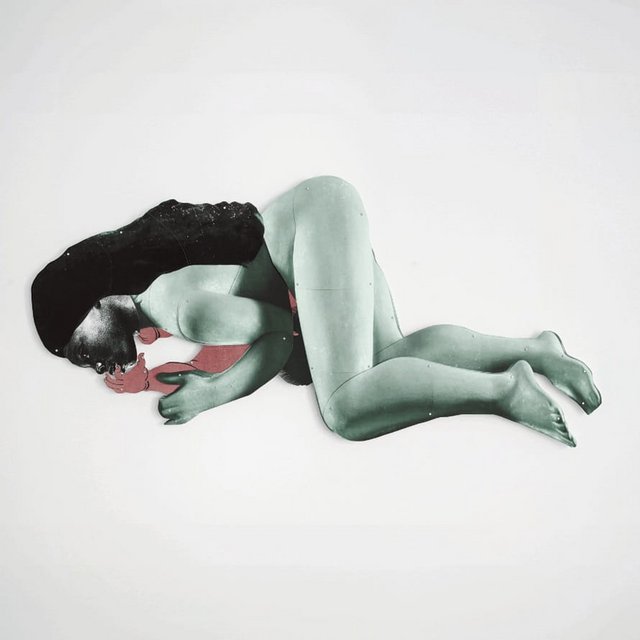
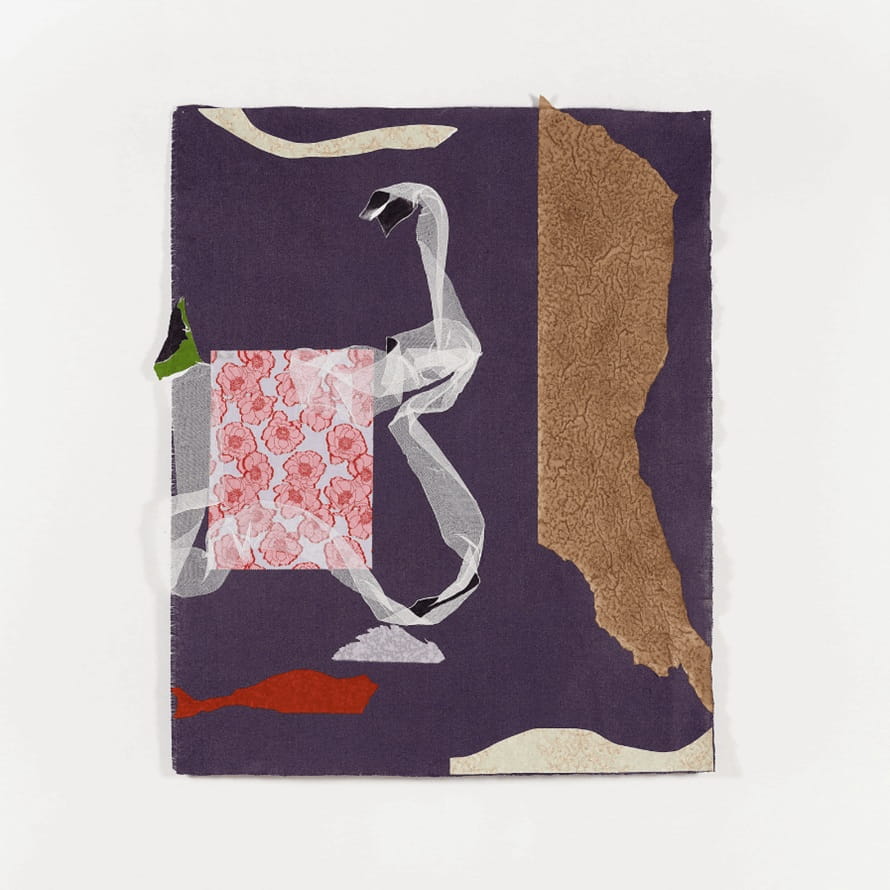
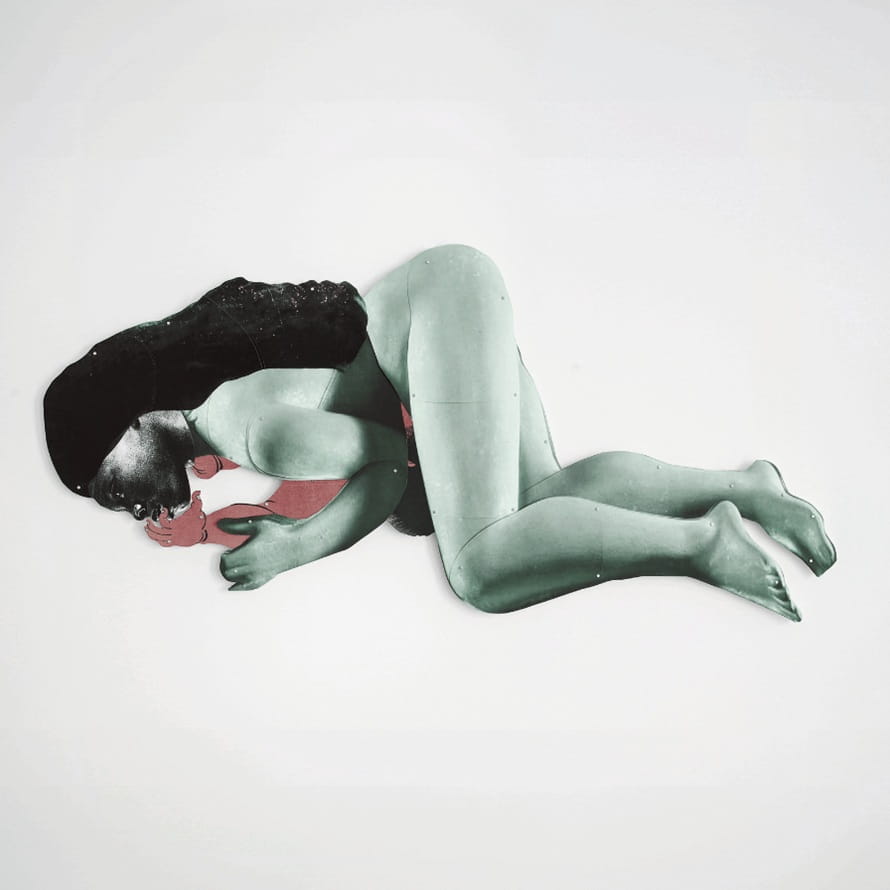
Sophie Reinhold uses marble dust in her paintings as a sculptural element: layers of applied pigment, spatulaed, sanded – a frozen painting process that makes gesture and material explicitly tangible. Frida Orupabo, on the other hand, fragments archival photographs of black bodies and exposes structural violence in classical image traditions. Her collages go beyond symptomatic display and create active counterfigures.
Structure and Impact of the Exhibition
"SYMPTOMS" is not structured strictly chronologically or formally, but rather connects aspects such as fragmentation, memory, materiality, and corporeality. The visitor is invited to navigate between familiar forms and their disruption – a sensitive, non-linear narrated experience.
The new location with its historical architecture contributes to the thematic impact: An old-fashioned post office building frame that serves as a contemporary space for the theme of traces.
Context and significance for Berlin Art Week
The opening for Gallery Night on September 10, 2026 (6–10 PM) coincided with Berlin Art Week and offered largely barrier-free access. This staging placed SYMPTOMS in an expanded cultural context and emphasized the public claim.
Against the backdrop of declining cultural infrastructure in Berlin, this new opening also serves as a signal: While some institutions are closing, Galerie Nordenhake is deliberately occupying new spaces – a sign of confidence and expansion in the art business.
Significance for the exhibition industry
With SYMPTOMS, Galerie Nordenhake demonstrates that despite five decades in the international art scene, it remains open to experimentation, breaking form, and multifaceted perspectives. The exhibition exemplifies art that does not explain symptoms but makes them visible—a poetic and challenging approach in fragmented times.