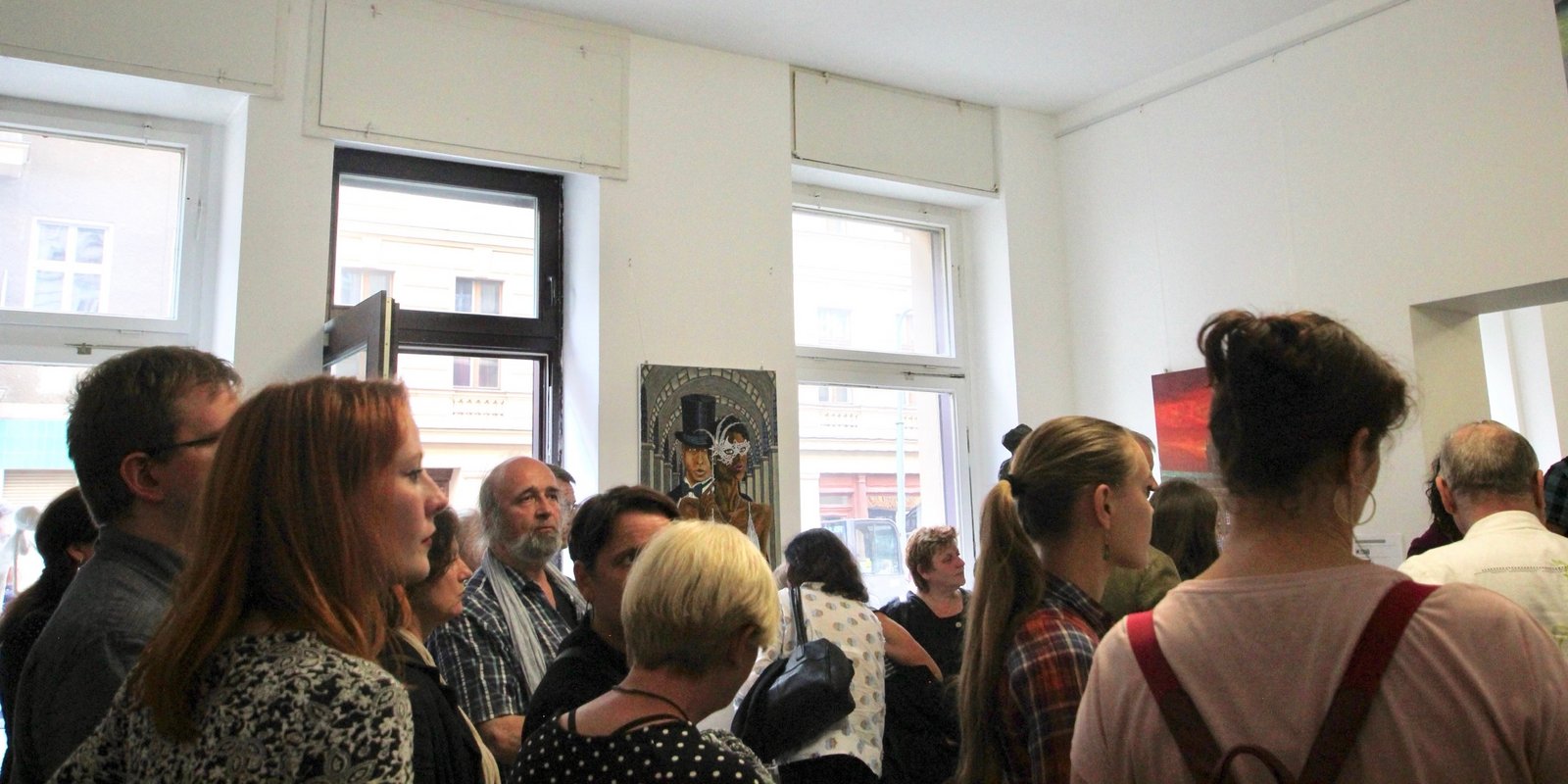
Behind the white walls
White walls, good lighting, crowded openings: From the outside, art galleries and project spaces appear as places of pure aesthetics. Behind them is a business that costs money, often more than the sold art brings in. What does it cost to maintain a gallery, and what problems do gallery owners, art dealers, and project space operators face?
What a gallery costs: the Remise example
How difficult even a well-supported gallery can have it is shown by the Galerie Remise in Pankow. It was operated by the state-owned housing company degewo at Pankgrafenstraße 1 for about two decades to "maintain networks of different orientations." On June 30, 2020, degewo closed the gallery; State Secretary for Urban Development Sebastian Scheel confirmed the closure at the time. The reason: The Remise "could not establish itself as a venue to the desired extent," also because it was located away from its own housing stocks.
According to reports from that time, the operation cost on average about 45,000 euros per year for exhibitions, spaces, and infrastructure. There were hardly any revenues to offset this, as the artists exhibited for free.
In commercial galleries, the sums are significantly higher. An established gallery from southern Germany, which regularly attends art fairs with its artists, estimates its annual costs at 120,000 to well over 350,000 euros. The gallerist wishes to remain unnamed.
Galleries in Berlin are also affected: The art4berlin Galerie by Jürgen Schaar in Charlottenburg faced insurmountable challenges by December 31, 2023, due to the reluctance to buy as a result of inflation.
The big challenges
- Financing: Rent, staff, exhibitions, trade fair stands, and marketing are certain expenses, but sales are not. Not every work finds a buyer, and a single weak season can endanger a small gallery.
- Market fluctuations: Inflation and economic uncertainty hit the art market early, as art is dispensable for many buyers. When money becomes tight, collectors hold back.
- Digital transformation: Many collectors now search for art online first. Those who are hardly found online lose sales opportunities, and online platforms add competition to traditional galleries.
- Artist relationships: Galleries invest years in developing their artists. Fair commissions, reliable agreements, and mutual trust are the foundation for this.
- Generational change: Many galleries have been shaped by their founders over decades. Those who do not arrange succession in time risk losing the program and contacts with retirement.
Why press releases often fizzle out
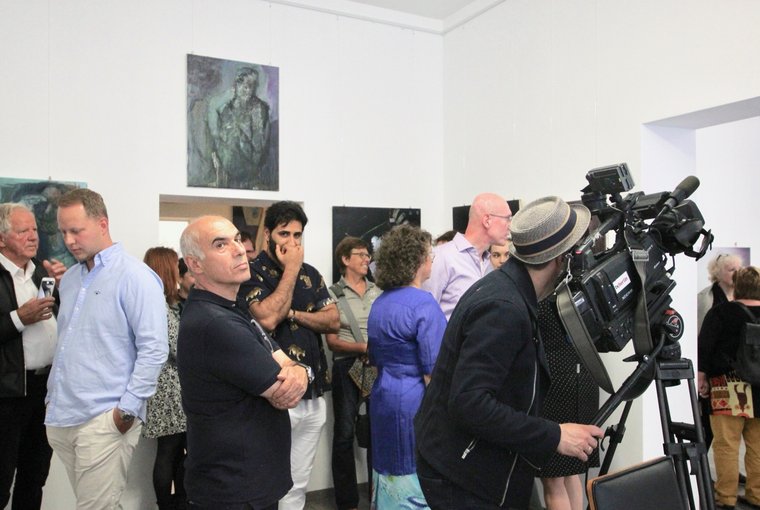
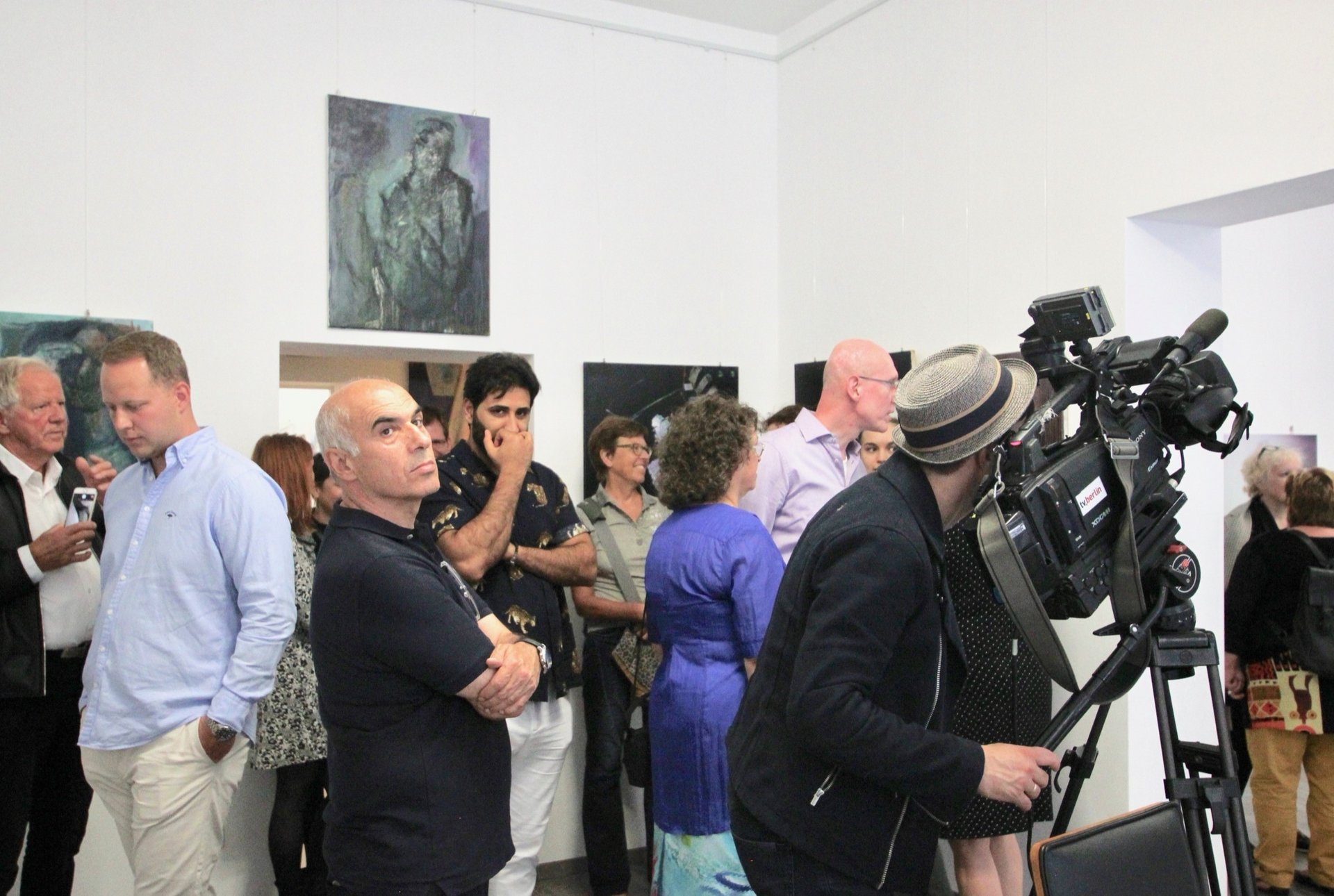
Many galleries rely on the classic press release and are surprised when hardly anyone reports on it. The reasons often lie within the editorial offices themselves: time pressure shortly before the editorial deadline, a topic that does not fit into the editorial plan, or lead times of several weeks, so that the exhibition is already over before an article could appear. And without personal contact with journalists, a release can easily get lost in the crowd.
It can help to make contact early, offer a clear topic, and align with the media's planning.
Visibility as a question of survival
“Without regular trade fair participation and without a digital presence, with podcasts, online articles, artist and gallerist interviews, reports, and an online shop, a gallery lacks crucial factors for its economic success,” says Diana Achtzig. The artist has been running her own galleries since 1990, initially in Amsterdam, today the art gallery Berlin Achtzig, and advises galleries and project spaces on their digital visibility.
Podcasts and video interviews offer galleries a way to explain their program and personally introduce artists. Easily accessible online articles help collectors find a gallery in the first place. This does not replace the encounter with the original, but it leads people there.