Art in the company: more than decoration
Original art in business premises shapes the first impression. A well-chosen picture in the reception or meeting room shows what a company stands for and provides a natural entry into conversation with new customers. For employees, art also makes spaces more lively and distinctive, whether in medium-sized businesses, start-ups, or law firms.
That art brings prestige is not a new insight. The Medici family, who became wealthy in Renaissance Florence through trade and banking, supported artists like Sandro Botticelli (1445–1510) and Michelangelo Buonarroti (1475–1564). Their reputation as patrons contributed to their rise: the family later produced popes and grand dukes, and Catherine and Maria de' Medici became queens of France.
The Essentials in Brief
- Art shapes the atmosphere and external impact of a company.
- Works by recognized artists generally cannot be written off, but affordable works up to 800 euros net can be.
- Art can also be rented, and the rent is then an operating expense.
- Art is not a secure investment; it should be appealing and fit the company.
What applies for tax purposes
If a company buys art for its business premises, it is usually part of the business assets. Whether the purchase has tax implications depends on the work:
- Works by recognized artists are considered non-depreciable. Therefore, they usually cannot be written off.
- Decorative utility art can be depreciated over its useful life.
- Works up to 800 euros net can be fully deducted as low-value assets in the year of acquisition.
- If a company rents art, the rent is usually a business expense.
- If a work is later sold at a higher price from the business assets, the profit is taxable.
General promises that buying art significantly reduces the tax burden should be taken with caution. It is best to clarify the details with your tax advisor. This article is not tax or investment advice.
Tips for purchasing art in the company
- Choose appropriately: The works should match the rooms, industry, and self-image of the company. Involve employees in the selection process.
- Set a budget: Young art is often available at reasonable prices and allows you to support artists over the years.
- Use consultation: Galleries help with selection, hanging, and authenticity verification. Compare prices and ask for invoices and certificates.
- Insurance and maintenance: Direct sunlight, moisture, and heating air can damage paintings. Valuable works should be insured.
Art can increase in value in individual cases, but it is not a secure investment. What record prices indicate and what risks exist can be read in the article Art as an Investment.
An example from Berlin: the imagery of Diana Achtzig
The versatility of contemporary figurative painting is demonstrated by the Berlin painter Diana Achtzig, who graduated in 1999 from the Universität der Künste Berlin and is associated with the Berliner Schule. In her paintings, she combines modern architecture with invented figures and draws from the diversity of cultures. Theater spaces are populated by surreal dreamlike figures.
Among the figures, themes of power and social conflicts emerge. Characters from old and new worlds and modern city dwellers struggle with themselves, while desires and dreams overlap to create a unique pictorial world. Art historically, references to Max Beckmann and Jonas Burgert can be identified.

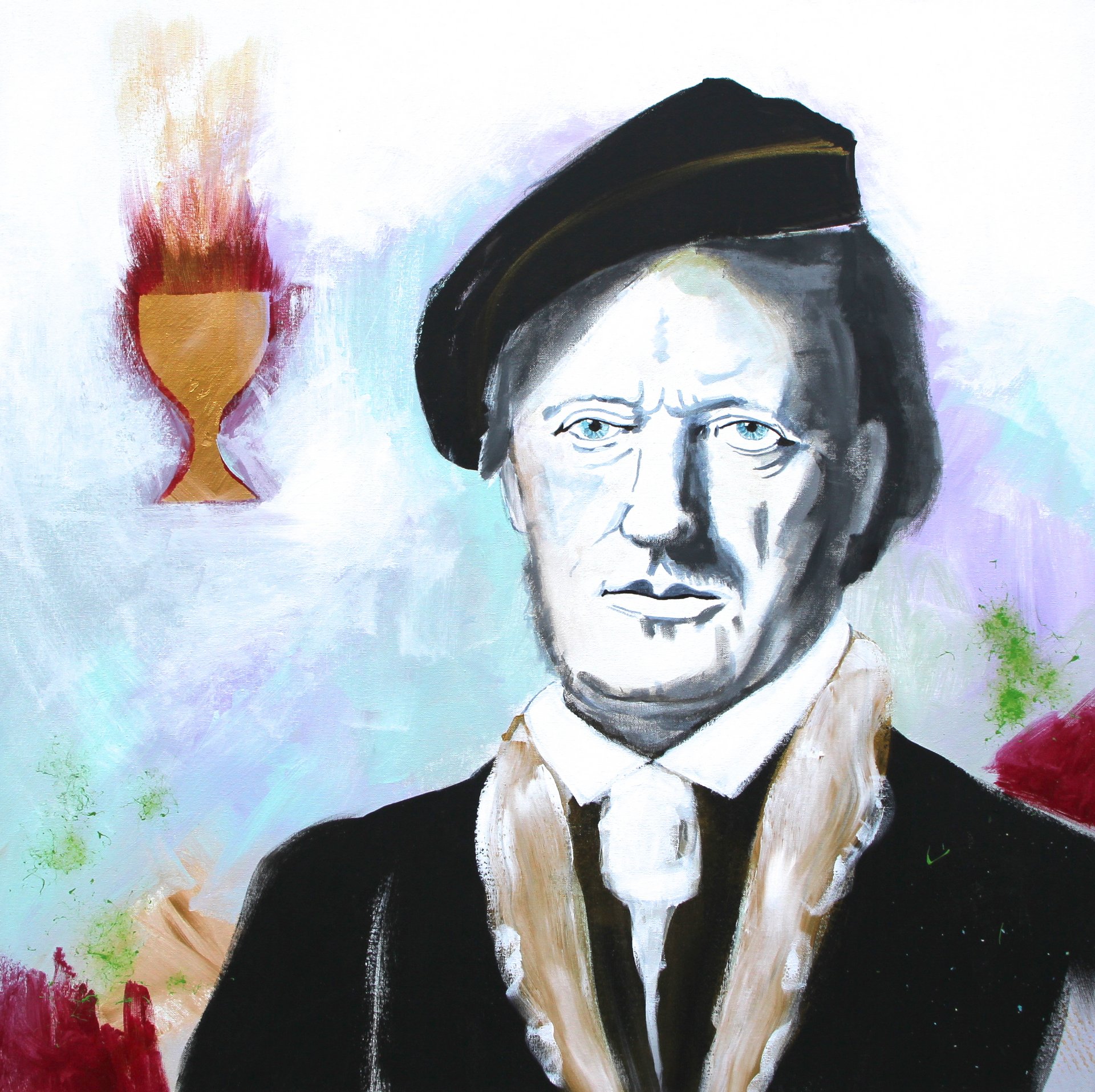
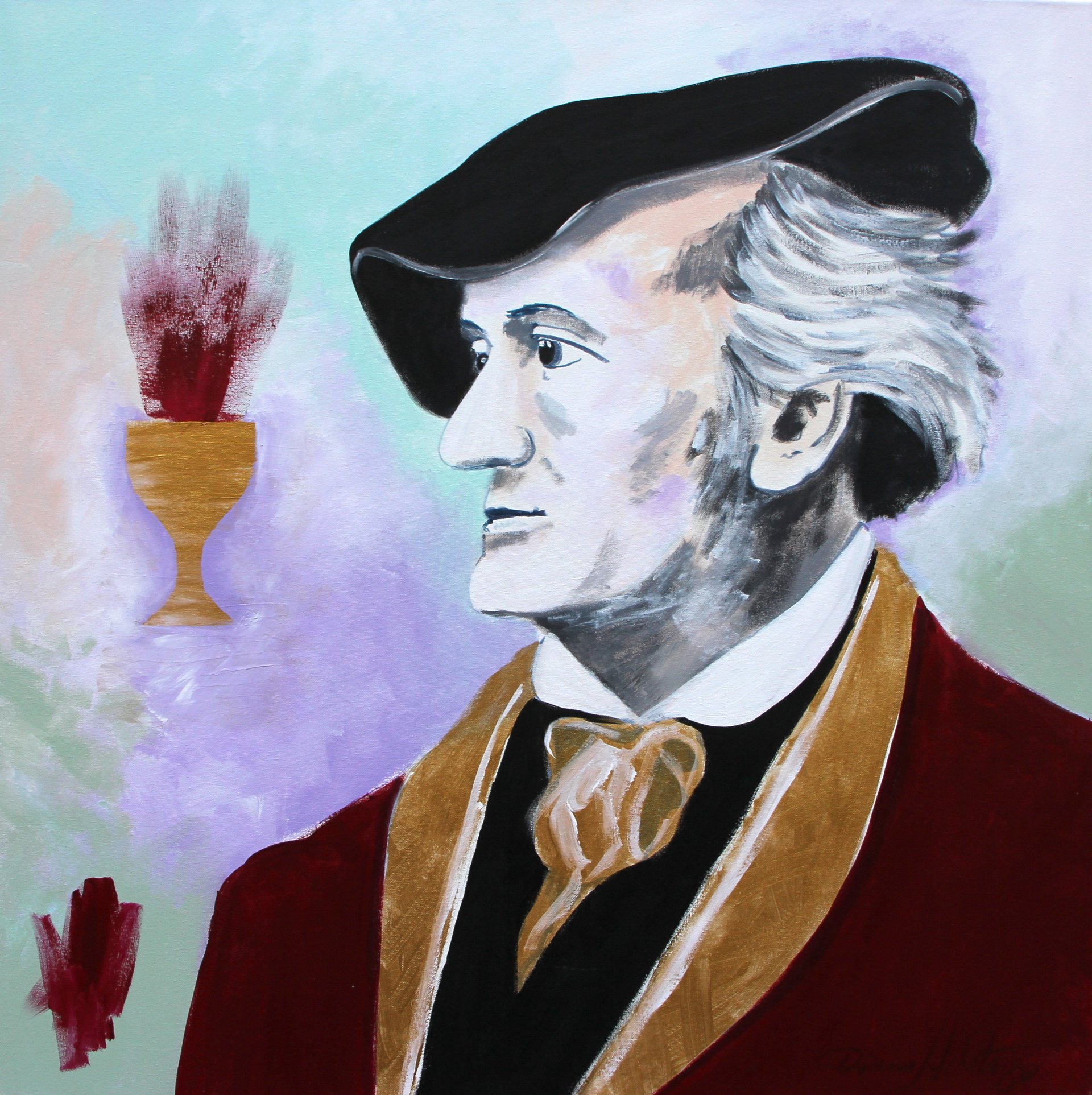
Composers and stage characters
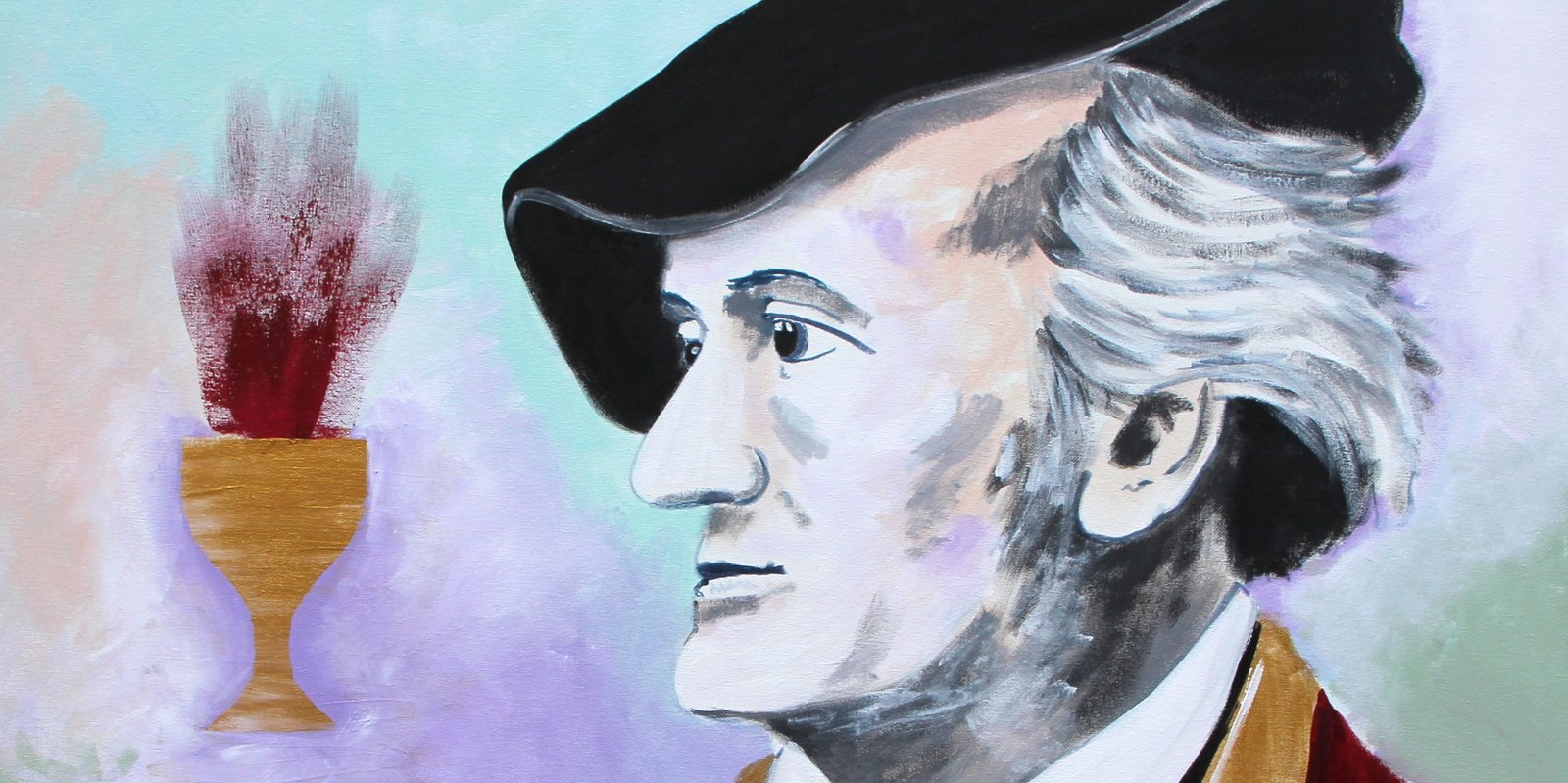
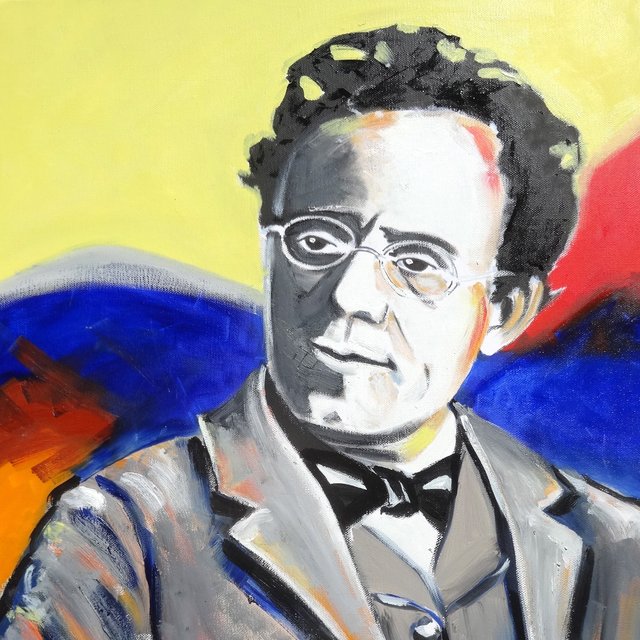
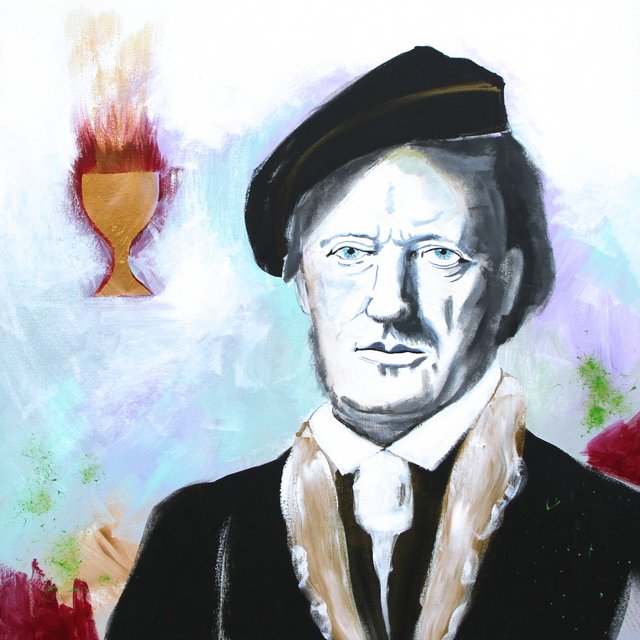
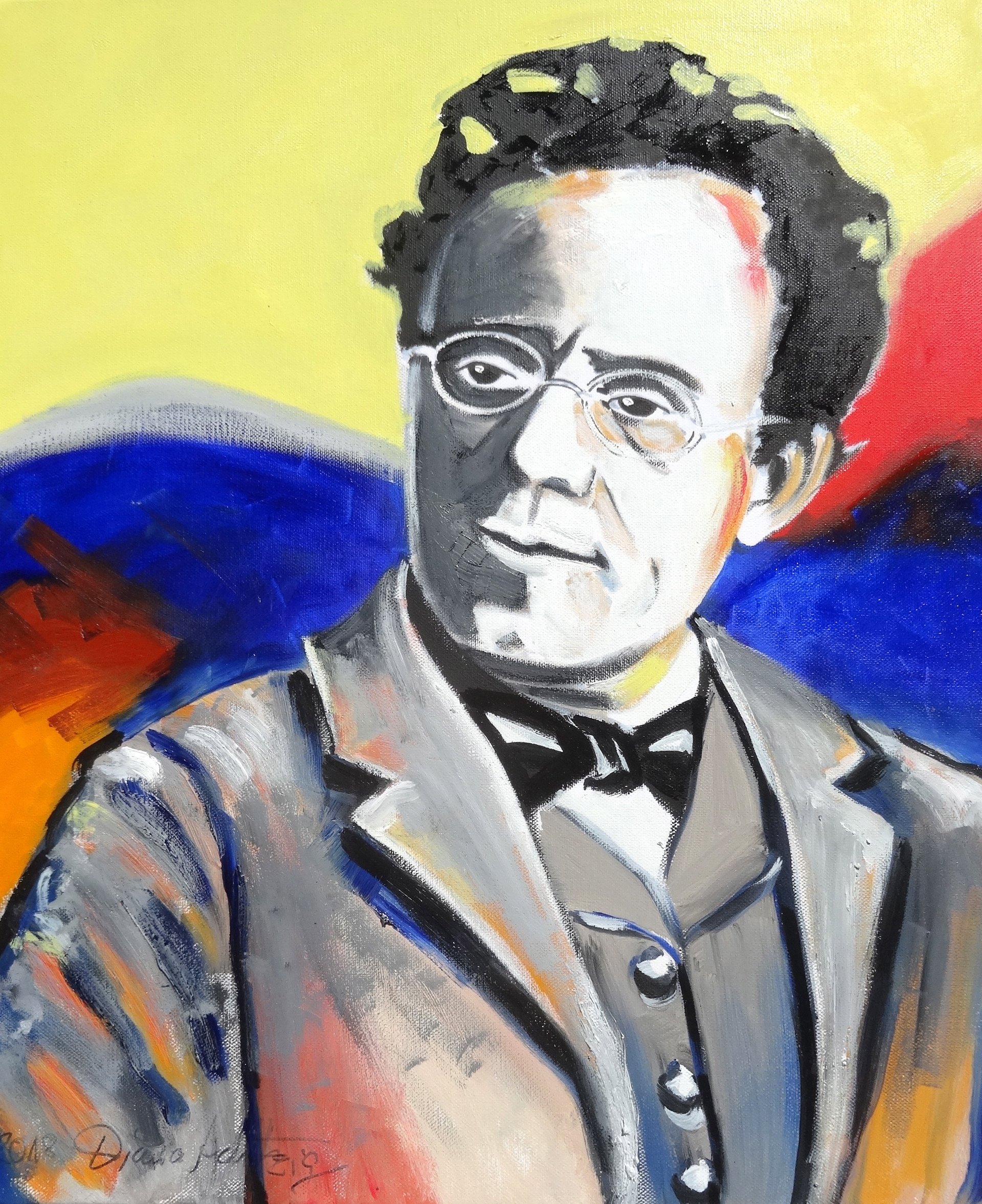
Her motifs include portraits of composers and writers, such as the "Portrait of Gustav Mahler" and the "Portrait of Richard Wagner I" (both oil on canvas, 2018). In the Wagner portraits, a burning grail hovers next to the composer, a reference to his opera "Parsifal." From Wagner's world also comes "Brünnhilde from the Ring of the Nibelung" (oil on canvas, 80 × 80 cm, 2018): The young woman with a metal helmet and spear stands in front of a painted stage set, a quote from the painting of Max Beckmann.
Diana Achtzig also places Mephisto and Doctor Faust from Goethe's tragedy on a theater stage. You can read more about her painting in the article Buying Art by Diana Achtzig: What Distinguishes the Painter from HGB Leipzig and in the contribution to the exhibition "Mythical Fusion of Human and Animal". An example of young painting from the same gallery is Anton Van De Amoste.